

About
Expert consulting in spatial biology, bioinformatics & AI
Meet the founder: Dr. Mark Zaidi, PhD
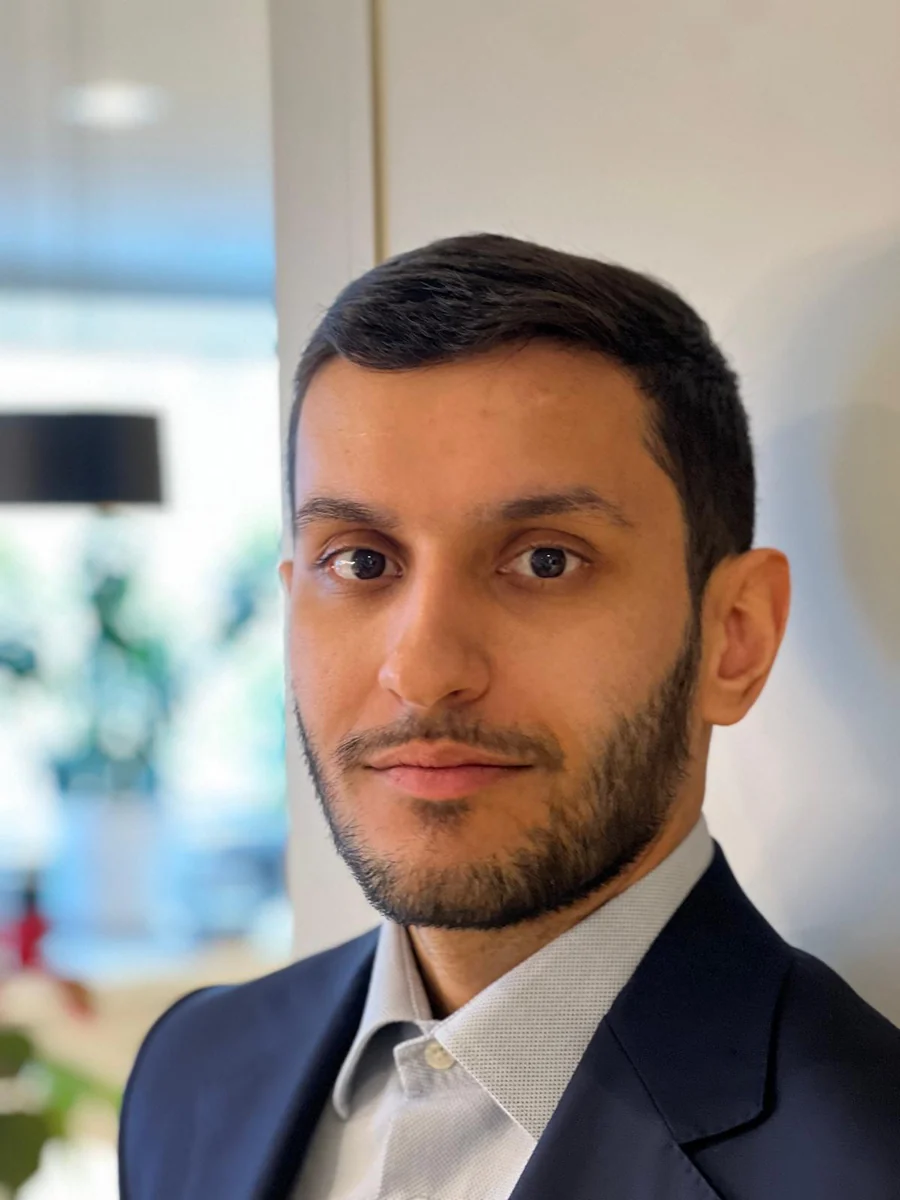
Dr. Mark Zaidi, PhD
Founder, Spatial Multiomics Consulting · PhD, Medical Biophysics, University of Toronto
With a PhD in Medical Biophysics from the University of Toronto, and a deep specialization in spatial biology, digital pathology, and AI-driven image analysis, Dr. Mark Zaidi is at the forefront of computational pathology innovation.
As the former founder and CTO of Pathomics.io, he developed scalable, pathologist-in-the-loop image analysis workflows that have empowered researchers and industry professionals worldwide. Dr. Zaidi's work has directly contributed to over a dozen peer-reviewed publications, and his methodologies have been applied across academic institutions, biotech companies, and pharmaceutical industries.
His technical expertise spans a wide range of modalities, including multiplexed immunohistochemistry and immunofluorescence (IMC, CODEX/PhenoCycler, COMET, PhenoImager/Vectra Polaris, Orion, MACSima, MIBI), spatial transcriptomics (10x Visium and Visium HD, Xenium, CosMx, GeoMx DSP, MERSCOPE, STOmics), spatial metabolomics (DESI-MS, MALDI-MS), and digital pathology techniques (H&E, HDAB, immunofluorescence), including data generated with HALO, Visiopharm and inForm. As a leading voice in the QuPath open-source community, his custom-developed scripts and software pipelines have been widely adopted for high-dimensional pathology image analysis.
Beyond his research and technical work, Dr. Zaidi has extensive business and leadership experience. He has managed cross-disciplinary teams of image analysts, bioinformaticians, and project managers while securing nearly $500,000 in revenue for digital pathology services in 2024 alone. He has also played a key role in business development, venture capital fundraising, and strategic growth through his involvement with Antler Canada's startup accelerator program.
Modalities we work with
Hover over or tap a modality to see our publications in that field.
Multiplexed IHC
Latest on Google Scholar →- 2025
- 2025
- 2024
- 2023
- 2022
Abstracts & presentations
- 2025A novel machine-learning and bioinformatics pipeline for multiplex imaging in malformations of cortical development
- 2024
- 2024Single-cell, spatial analysis of the renal AL immunome supports a T-cell mediated tissue toxicity mechanism
- 2024An end-to-end workflow for exploring spatial biology through multiplex IHC
- 2023
- 2023Integrating AI and pathology: a novel approach to multiplexed IHC data segmentation and classification
- 2023Practical applications of multiplexed analysis workflows in QuPath
- 2023At the intersection of pathology and artificial intelligence: a pathologist-in-the-loop approach towards segmentation and classification of multiplexed immunohistochemistry datasets
- 2023
- 2023Adapting imaging mass cytometry to explore renal allograft inflammation and develop a tissue-based classifier
- 2023A pathologist-in-the-loop workflow for end-to-end segmentation and classification of imaging mass cytometry datasets
- 2022
- 2022
- 2022
- 2022A journey from qualitative to quantitative biomarker discovery
- 2022
- 2021
- 2021
- 2021From pixels to cells: biologically guided segmentation strategies for quantitative image analysis of multiplex immunostained tissue sections
- 2021Development and validation of an imaging mass cytometry and multiplex immunofluorescence biologically-guided cellular segmentation strategy
- 2018Imaging mass cytometry of Telox probes and vessel distance analysis
- 2016A digital pathology analysis pipeline that bridges histological morphometric analysis with imaging mass cytometry and mass spectrometry
Spatial transcriptomics
Latest on Google Scholar →- 2024
Abstracts & presentations
- 2025
- 2024
- 2022
Further spatial transcriptomics manuscripts are in preparation. See Google Scholar for the latest.
Spatial metabolomics
Latest on Google Scholar →- 2026
- 2022
- 2021
- 2020
Abstracts & presentations
- 2020In situ tissue pathology from spatially encoded mass spectrometry classifiers visualized in real time through augmented reality
- 2016A digital pathology analysis pipeline that bridges histological morphometric analysis with imaging mass cytometry and mass spectrometry
Digital pathology
Latest on Google Scholar →- 2025
- 2024
- 2019
- 2018
Abstracts & presentations
- 2022
- 2021
- 2019Quantitative digital pathology to evaluate hypoxia and proliferation in the tumor microenvironment relative to perfused vasculature
- 2019
- 2018
- 2018Development and validation of a platform for high throughput tissue cytometry for quantitative pathology spatial analysis on single and multiplex immunostained slides
- 2017Immunofluorescent image analysis of tumour hypoxia microenvironments
- 2017Development and validation of a platform for high throughput quantitative digital pathology using machine learning for tissue cytometric analysis on immunostained slides
- 2016Building an analysis pipeline to measure distance relationships between perfusion versus tumour hypoxia and proliferation
What we do, and who we help
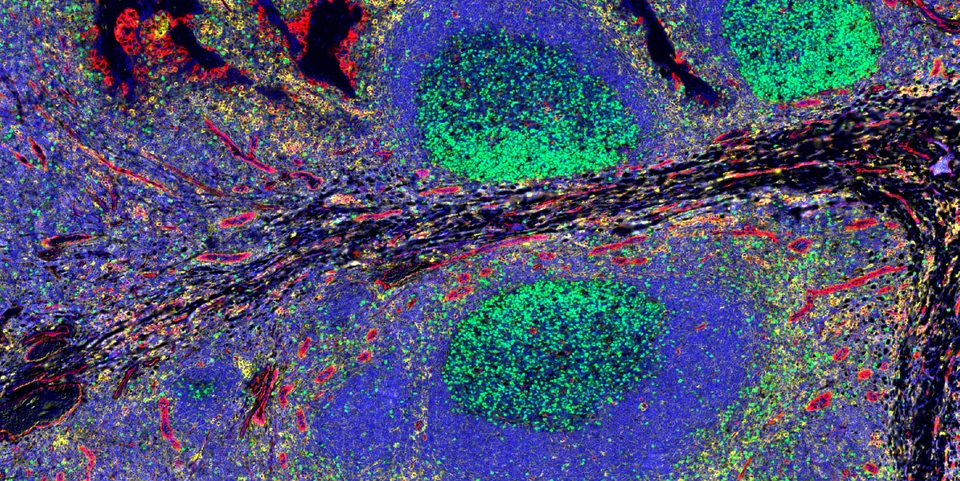
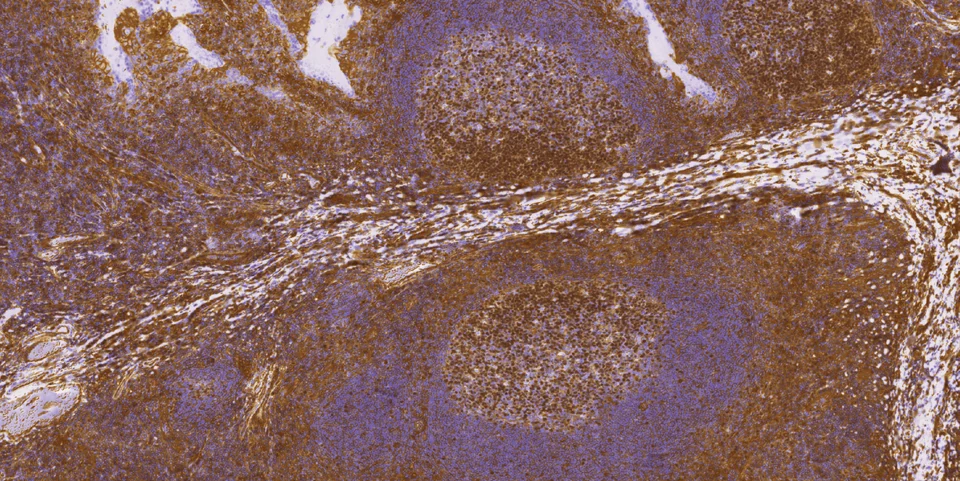
Spatial Multiomics Consulting was founded to help researchers, biotech companies, and pathologists integrate cutting-edge spatial biology and AI-powered analysis into their workflows.
With expertise in bioinformatics, image analysis, and spatial multiomics, we provide hands-on training, consulting, and workflow optimization using open-source tools.
Why work with us?
Industry-proven expertise
Workflows used in academia and pharma
Led the development of cutting-edge AI and spatial biology analysis workflows used in academic research and pharma.
Hands-on training & consulting
Personalized mentorship
Personalized mentorship in QuPath, Python, and bioinformatics for teams integrating spatial biology.
Scalable & cost-effective
Open-source, reproducible pipelines
Builds open-source, reproducible image analysis pipelines that eliminate reliance on commercial software.
Secure, high-performance computing
Petabyte-scale infrastructure
Designed QuNAS, a petabyte-scale digital pathology supercomputing infrastructure for high-throughput analysis.
I'm ready to discuss a spatial multiomics project.
Share your modality, project stage, or analysis challenge, and we'll define the right analytical next step together.